


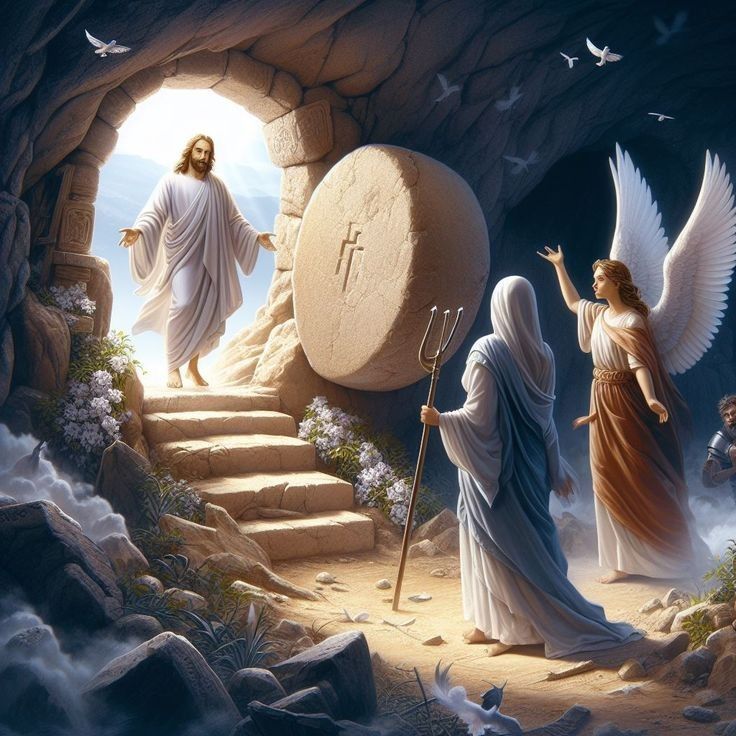

Easter is a transformative moment in human history, transcending mere religious tradition. The experience of Mary Magdalene, Joanna, and Mary, the mother of James, as they approached Jesus, highlights its profound significance. Upon their arrival, they were met with a stirring question: “Why do you look for the living among the dead?” (Luke 24:5). Expecting to find a lifeless body, they found an empty tomb, a powerful symbol of hope and the promise of resurrection.
This pivotal event resonates deeply within our contemporary world, filled with uncertainty and sorrow. The empty tomb invites us to reflect on its meaningful implications for our lives today, offering renewed hope, spiritual awakening, and the assurance of eternal life.
The resurrection of Christ is not merely a moment in history; it is a living call urging us to rise from despair and awaken our spirits. Rather than fixating on the past, we are encouraged to embrace the light of what is eternally alive and to become bearers of hope in our lives and communities.
Easter is a religious tradition and a transformative moment in human history. When the group of women—Mary Magdalene, Joanna, and Mary, the mother of James—arrived at Jesus’ tomb early that morning, they were met with a question that still speaks to us today: “Why do you look for the living among the dead?” (Luke 24:5). These women, the first witnesses of the Resurrection, were expecting to find a lifeless body. Instead, they encountered an empty tomb and a divine message of hope.
This powerful event is more than a historical milestone—it’s a living message. What does the empty tomb mean for us in today’s uncertain, sorrowful, and searching world? How can the resurrection of Jesus Christ still transform our lives here and now?
In this reflection, we’ll explore the enduring meaning of the empty tomb as a sign of renewed hope, spiritual awakening, and the promise of eternal life.
“Christ’s resurrection is not a moment locked in history—it is a living call to rise from despair, to break free from spiritual slumber, and to become radiant bearers of hope. Let us not dwell in what has passed away but stand in the light of what is eternally alive.”

“Why do you look for the living among the dead? He is not here but has risen.” — Luke 24:5
Easter as a Theological and Historical Milestone
Easter represents a pivotal moment in the Christian liturgical calendar and a significant event in humanity’s historical narrative. The encounter of Mary Magdalene, Joanna, and Mary (the mother of James) at the empty tomb serves as a profound case study in the context of resurrection theology. The angelic inquiry, “Why do you look for the living among the dead?” (Luke 24:5) provides a critical lens through which to examine human expectations about divine revelation. These women, anticipating a ritualistic preparation of a deceased body, instead confronted a transformative reality: an absence that signifies resurrection rather than finality.
This encounter transcends mere historical recounting; it beckons contemporary theological consideration. What implications does the empty tomb carry for today’s fractured and often desolate world? In what ways does the resurrection of Jesus Christ continue to catalyse transformation in human experience?
This discourse will delve into the ongoing significance of the empty tomb as a paradigm of hope, spiritual rejuvenation, and the doctrine of eternal life
“Christ’s resurrection is not merely an event constrained by chronological history—it is an active summons to emerge from despair, to awaken from spiritual lethargy, and to embody the essence of hope. We must avoid the temptation to linger in the shadows of the past and instead manifest in the light of eternal vitality.”
A Critical Examination of Luke 24:5
Scriptural Analysis
The directive from Luke 24:5, articulated by celestial messengers to the women arriving at the tomb, disrupts their anticipatory narrative of grief. The rhetorical query—“Why do you look for the living among the dead?”—challenges their assumptions and redirects their focus from mourning to divine mystery. The statement “He is not here, but has risen” marks a pivotal moment in Luke’s gospel, serving as the inaugural public proclamation of the resurrection. This declaration catalyses significant theological implications, shifting the trajectory of sacred scripture and human existential outcomes.
Keywords & Their Significance:
Living among the dead represents a spiritual dichotomy, advocating against seeking utility in lifeless entities.
“He is not here” signifies the finality of Jesus’ earthly limitations, while “He has risen” affirms Christ’s divine nature and the ultimate victory over mortality.
Historical Context
The Gospel of Luke, authored by a physician and companion of Paul around 70–90 A.D., presents an orderly and inclusive narrative style aimed at both Jewish and Gentile audiences.
Historical Context:
The concept of resurrection was revolutionary during this era. While some Jewish groups entertained notions of an afterlife, the idea of a physical resurrection of a messianic figure was unprecedented. This resurrection represented a return to life and served as a divine endorsement of Christ’s mission of salvation.
Theological Implications:
Luke 24:5 serves as a transitional point from despair to divine glory. It transforms a sealed tomb into an entryway to eternal hope, prompting a shift from finite human logic to boundless faith. It challenges believers to transcend the confines of their grief and to embrace the audacity of hope.
Contemporary Resonance: “He is Risen”
Much like the women at the tomb, contemporary individuals often revisit past traumas or unmet expectations, seeking significance in what is spiritually inert. However, the resurrection calls for a forward-looking perspective, urging believers to pursue a life characterised by resurrection. This reality is not merely an event to be commemorated; it is an ongoing experience to be manifested in everyday life.
Personal Reflection & Application
Are you extracting significance from spiritually hollow experiences?
Are you excessively occupied with past shortcomings or losses?
Luke 24:5 invites us to reorient our focus—from historical grief to future promise, from tomb functionality to transformational vitality.
Let this day redefine your existential paradigm. Leave the symbolic empty tomb behind and step into the abundant life that Jesus presents—one filled with light, love, and resurrection dynamism.
Prayer & Meditation
Heavenly Father,
On this momentous day of Resurrection, I approach You with reverence. The tomb lies empty; death’s grip has been irrevocably broken. Christ is risen!
Awaken within me, a spirit revitalised from apathy. Assist me in ceasing my pursuit of life in lifeless entities—whether they are past blunders, shattered aspirations, or earthly distractions.
Just as the resurrected Jesus empowers me to embrace the newness of life. Infuse into my existence the resurrection’s vitality in areas shadowed by despair. Instil in me the capacity to trust in Your omnipresent workings, regardless of silence or perceived finality.
May Luke 24:5 resonate deeply within me: “He is not here, but has risen.” Allow these words to become both a rallying cry for my faith and a motivational force in my mission—propelling me to act boldly and love unreservedly.

Amen.
You must be logged in to post a comment.