


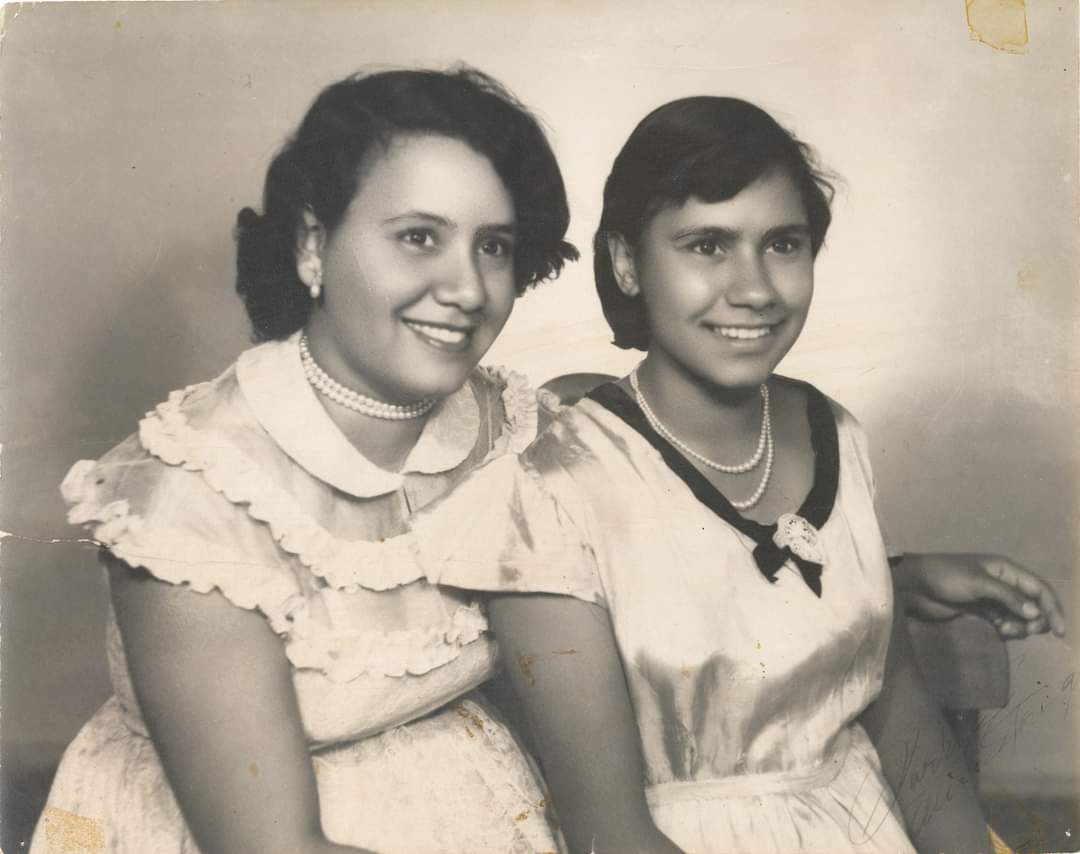
CECILIA SHELLEY IN HER OWN WORDS – A NEAR DEATH EXPERIENCE, A SECRET ADMIRER, ALBANY BELL AND HOW SHE BECAME THE ‘TIGRESS OF TRADES HALL’

There were nine children in my family, two boys and seven girls. I was the sixth child.
My father was a cordial maker and a good one. Beautiful stuff he used to make.
When Dad lost his factory job in 1896 (for protesting for better wages and working conditions), we left Adelaide and went to Esperance. I was three years old and remember playing in the white sand there.
From Esperance, we went to Albany in a cockleshell (light and frail) ship. Then on to Kalgoorlie by train. Here we met my father who had taken a wagon with our belongings overland. I remember that it was pulled by a white horse.
Those were really booming days in the Goldfields. My father opened a large cordial factory but eventually it “sort of busted up”. Something happened, but I was young, and I don’t know why the word went out that Dad was never allowed to start again.
I went to St Joseph’s Convent School. We were always so poor, and I don’t remember having any books or anything. The nuns were rotten teachers and they used to say I was a smart kid because I never talked much.
When I was about ten years old, I went to a kid’s concert at the Catholic school in Boulder. I wasn’t in the concert, too poor to be in anything like that. The place was packed with people, then up came a storm. We kids got all nervy and no wonder, because all at once “the damn thing rocked” and the roof fell in. We were all saved because we crouched down below the seats. Kids got out and ran in all directions.
I don’t know if I blacked out, but I got a little bump on my head. I do remember seeing a bit of light through and making for it. I ran and ran down to the hotel. I never saw another kid on the way, which makes me think I might have blacked out and been the last to get out.
I was too shy to go inside the hotel but anyway, a dear old man came along the street in a cart pulled by a big old dray and called out to me “Are you from the school?” I said “Yes,” and he said, “We’ll come out and I’ll take you home.” Mum was laughing when she saw me but stopped when I told her what had happened. She put me to bed with some brandy and made me feel quite important for a while.
Note – In December 1903, a destructive storm hit Boulder and the roof of the All Hallows Catholic School fell in on top of 200 pupils during a concert. The report of the collapse spread like wildfire and a wild stampede of frantic parents and anxious helpers rushed to the scene. According to the Kalgoorlie Miner, looking at the heap of ruins beaten flat and twisted into all shapes, it seemed incredible that all the children escaped, practically without a scratch. A nun has suffered a head injury and was taken to hospital.
For a time, I moved to Perth with my poor mother, who had a horror of the mines and was frightened my brothers would end up there. They were sad days because my father did not want us to leave. Dad sent a pound a week – including six shillings for rent, and fourteen shillings to keep his wife and six, seven or eight children.
Living in Perth was pretty grim. As kids, we would run around, and we’d steal the fruit off trees while nobody was looking. Otherwise, we lived on bread and tea. I can’t remember what we slept on. Eventually “Dad won”, Mum gave up and we shifted back to Boulder.
I left school when I was fourteen years old. There was no high school but even if there had been, I wouldn’t have been able to go because I had to go to work. My first job was in a tearoom or boarding house “style of thing” in Kalgoorlie and put me in good stead to get work at Albany Bell’s.
Albany Bell’s was “a lousy place”, and they were always getting young kids in those places like me. There were piles of dishes. Miles of dishes you know and there was never anything to eat at mealtimes, and nobody ever said anything. The waitresses would get themselves a pie and sauce, but I wasn’t game enough to do that. Nobody ever said, “Have a cup of tea,” or anything like that.
While at Albany Bell’s, I had a secret admirer. One day a box of roses arrived from “Ed” – I don’t know how this bloke got my name. I thought someone was playing a joke with me.
Finally, I discovered who he was. He “wasn’t very much poor darling”, he was naïve, he just wasn’t my style you know. He took me home a few times and used to give me a little brooch, or something else when we said goodbye. I felt very sorry for him.
To get away from him, I took at job at the Federal Hotel in Katanning… “and I’m damned if he didn’t come up there and bring me pails of roses.”
I was in Meekatharra when the First World War broke out. Everyone was crying and I’ll never forget it. I was very puzzled. I couldn’t understand why, or what the war was about. I imagined my sweetheart, Alan, dying on the side of a hill. The town emptied and only a few men stayed behind.
When I returned to Perth, I worked in The Wattle Tea and Dining Room and then as a waitress at the United Service Hotel.
At the same time, the boys were writing home and saying the vote “no”. They didn’t want conscription. I wrote a letter and sent a picture of myself to Bobby, a boy from Meekatharra. He was only a kid, a dear lad. He wrote back a letter describing how ghastly and terrible it was in the trenches, and how pleased he was to get my letter. The next thing I knew of course he was buried. His mother they say never smiled again…
I remember Armistice Day very well. I was working in a little tea shop in Hay Street. It was a terrible place with no meat safe – we could hear the blowies on the meat all day. The kitchen was filthy, there wasn’t even a wire door on it. There was plenty of food, but you couldn’t eat it. While overjoyed, when we all walked out to celebrate, I was so hungry I had to get over to my sister’s place first to get a cup of tea.
The returning soldiers were pleased to be back, but “by Jove” there was disillusionment. There were rumors that they were going to play hell and break things, so they dispersed them when they got home, by putting ships between troopships and settling them into the country.
In the days during and after the war the Perth Esplanade was “alive”. There was always something going on, it was the place to be. There were also political meetings and people were down there in crowds. It was here that I gave my name to the Labor Party and offered to help in the elections, and the reason why I met Alec McCallum, the Secretary of the Trades Hall. I would have been about twenty-five at the time.
I was “on some booze-up” in North Perth and McCallum came along. I thought to myself, I’m going to talk to McCallum about poor work conditions. He invited me to go for a drive with him as he did the rounds on the booths. I don’t think I’d ever been in a car before.
It didn’t take me long after that to become a union organizer.
Source – Interview with Miss Cecilia Shelley] [sound recording] / [interviewed by Colin Puls].
Shelley, Cecilia, 1893-1986.
Oral History | 1976.
Available at 2nd Floor Oral History Stack (Call number: OH171 Audio (Access) cassette) https://bit.ly/3tPtRiC
Epilogue – For many year Cecilia Shelley bravely defended the rights of working girls and women in Western Australia. She led three strikes in 1919, 1921 and 1925 and struck fear in many employers and male union leaders, who dubbed her ‘the Tigress of Trades Hall’. (Australian Dictionary of Biography)
“Cecilia’s dedication was boundless. Her successes were numerous. Her battles were tough. But whether they were on the street during strikes, in the Court or workplace confronting wrongful employers she relished the verbal sparring and devious out-maneuvering.” (L. Batterham, Murdoch University 1994)
In 1979, Cecilia was made a life member of the Trades and Labour Council of Western Australia. She died on 6 May, 1986.
ABC Perth ABC Goldfields-Esperance Kalgoorlie Miner Kalgoorlie, Western Australia Kalgoorlie Boulder City Western Australian History Meekatharra Dust Unions WA


You must be logged in to post a comment.