
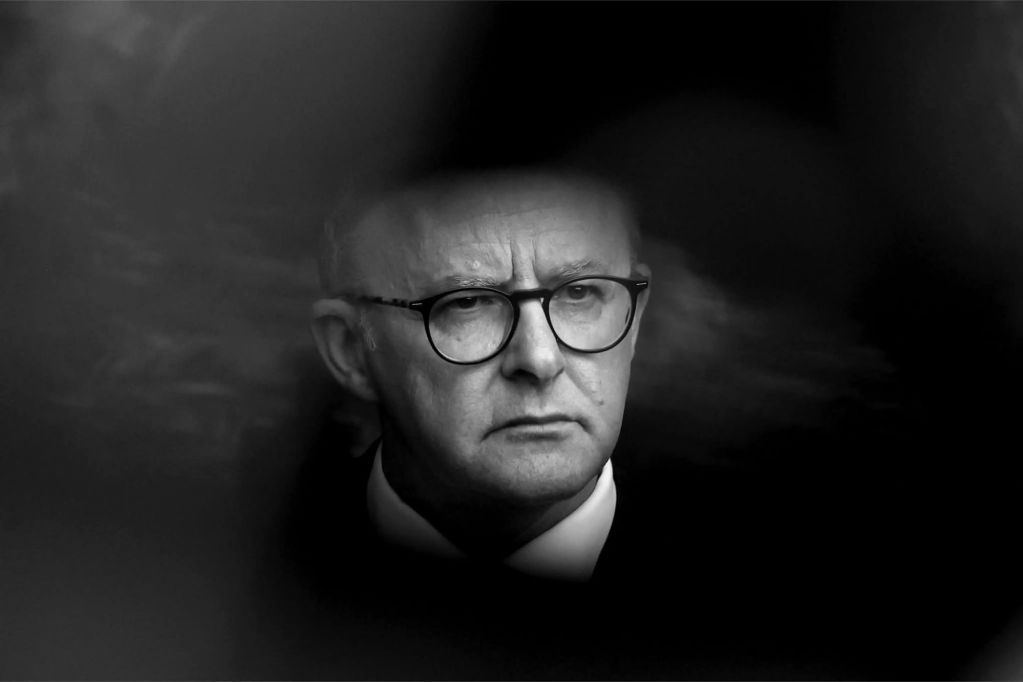
Analysing Labour’s Impending Policy Impacts on the Australian Economy
As the Labour government embarks on its next three years, expect significant economic ramifications that will affect consumer finances across various sectors. The intersection of housing, vehicle regulations, energy policies, and immigration strategies appears set to exacerbate existing challenges and introduce new burdens for Australian citizens.
1. Escalation in Residential Property Values
Labour’s forthcoming implementation of a tax on unrealised capital gains is positioned as a measure targeting wealth accumulation. However, the repercussions for the average Australian, particularly first-time homebuyers, may be profound. This proposed tax on “paper profits” within superannuation accounts could compel retirees to liquidate their superannuation assets and redirect funds into residential properties to mitigate tax liabilities.
The Australian Financial Review estimates that this maneuver could introduce approximately $155 billion into an already overly constrained housing market, exacerbating demand without a proportional supply increase. Such conditions are likely to further inflate housing prices, perpetuating a trend that increasingly hinders homeownership for younger demographics.
2. Increased Costs for Automobiles
Labour’s introduction of a “vehicle efficiency standard” is an indirect taxation mechanism on conventional vehicles, particularly affecting families, tradespeople, and small enterprises outside urban centres. Effective July 1, vehicles failing to adhere to the new emissions standards will incur hefty penalties.
To illustrate, the cost of a Toyota RAV4 could increase by $9,700, while a Ford Ranger may see an uptick of $14,400. This taxation is not limited to luxury vehicles but also to essential utility models. For individuals reliant on traditional combustion vehicles due to geographical and logistical reasons, this policy poses a significant economic strain, particularly given that electric vehicles (EVs) remain impractical and financially prohibitive for many.
3. Rising Energy Expenditures
Contrary to Labour’s promise of lower energy costs, the anticipated hike in utility bills seems inevitable. The administration’s heavy reliance on renewable energy sources—specifically wind and solar—has overlooked essential grid reliability and cost-effectiveness considerations.
The projected expenditure for a renewables-dominant grid is estimated at $332 billion, nearly double that of a diversified grid model incorporating nuclear power. This transition poses risks of blackouts and price volatility and reflects a broader misalignment of economic strategy. The cumulative effect has been a 60% increase in real electricity costs over the last decade, translating to an additional $3,400 annual expenses for the average household.
4. Continued Surge in Immigration
Despite Labour’s assertions of a planned reduction in migration rates, the reality is a staggering influx of nearly 1 million new arrivals within two years. This demographic surge is not merely an influx of individuals but a systemic challenge that strains infrastructure and public services.
The outcome is palpable: escalating rents, rising property values, congested transportation networks, and overburdened healthcare facilities. The policy caters to corporate interests and educational institutions while leaving the broader population grappling with the consequences. The government’s inability to effectively manage this influx raises questions about future efficacy.
Conclusion
Labour’s current trajectory suggests an unequivocal relationship between its policies and rising costs for Australian citizens:
– Continued escalation in housing prices
– Increased expenditures on automotive purchases
– Rising energy bills
The forthcoming years will undoubtedly challenge Australians’ economic resilience. However, it is essential to recognise that adverse policy outcomes are not inevitable but the product of deliberate choices that can be re-evaluated. An urgent call to action may catalyse a shift towards more sustainable and equitable fiscal strategies.


6 responses to “AUSTRALIAN POLITICS 🇦🇺🇦🇺”
Dear Marshall
It’s a spell of your words.
Thanks a lot for liking my post, ‘Proust’ 🙏 😊
Thank you for taking the time to read the news about our shared world. I genuinely enjoy learning about the stories and experiences that shape your life. As an elderly man, I deeply desire to share snippets of my journey with the hope of fostering connection, peace, and understanding among us all. Imagine a world without borders, where we recognise ourselves as one human family. In such a place, conflicts would fade away, and we could truly embrace our shared humanity. After all, we inhabit this beautiful planet together, and there is no other home we share.
Dear Marshall
It’s a spell of your words.
Thanks a lot for liking my post, ‘Pygmalion 🙏 😊
Could you please share your thoughts on peace with us?
Dear Marshall
It’s a spell of your words.
Thanks a lot for liking my post, ‘Pygmalion’ 🙏 😊
Absolutely! It’s always nice to comment on blogs, and I totally agree with you. Manners can be a bit different in the blogging world—sometimes even just hitting like feels like a big deal! It’s interesting to see how this change reflects the broader state of our world today, as we’re all navigating through a more diverse landscape where self-promotion can feel overwhelming. It’s a reminder of the different experiences we all bring to the table.